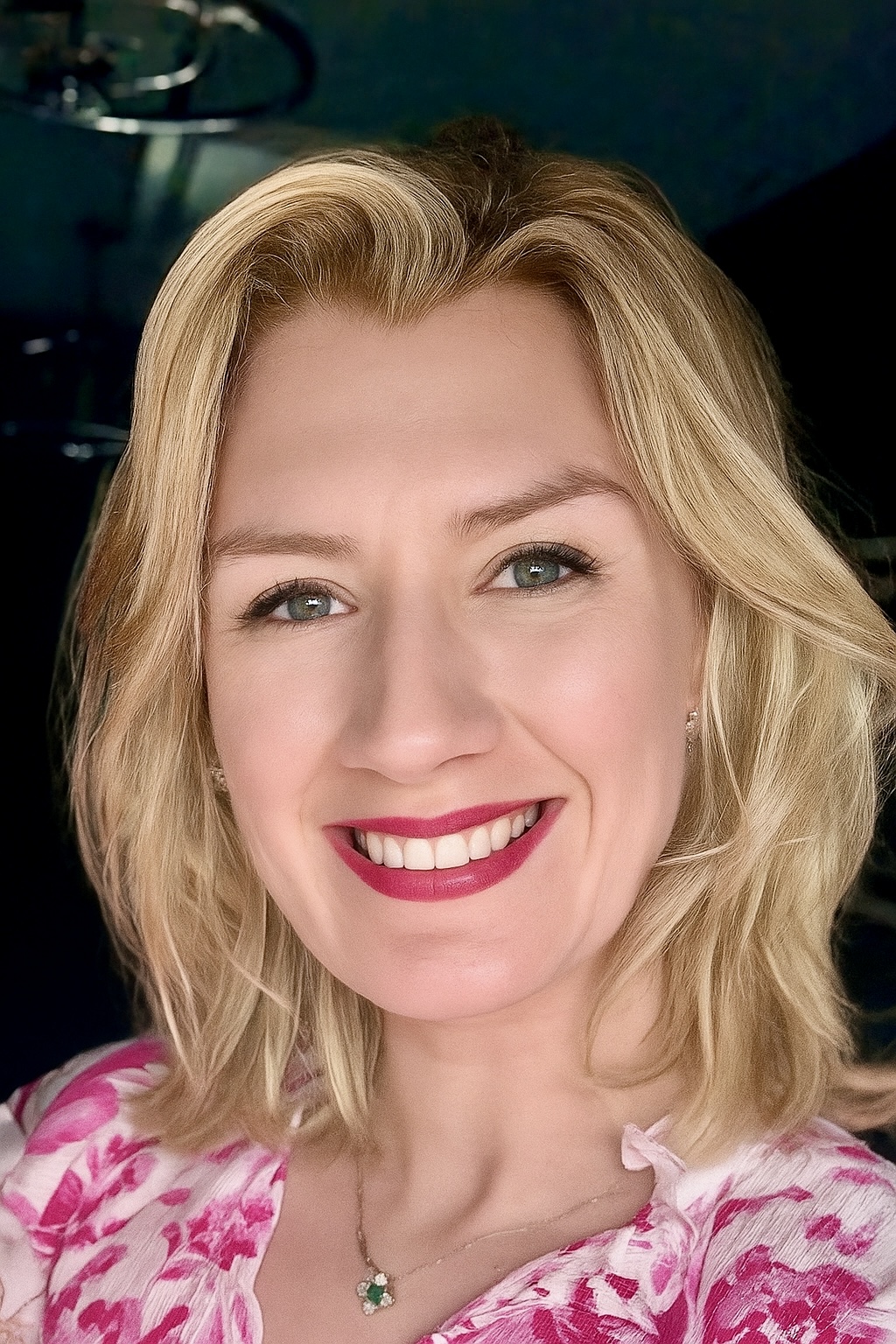
Photo of blog author, Dr Jayne Lynch
Geriatric medicine trainee experience with Southern Trust Hospital at Home
Dr Jayne Lynch - ST6 Geriatric medicine trainee - 19 November 2025
My medical school education and experience of working in secondary care were based around acute care delivered within the hospital, with rapid access to investigations and specialist input. Through my geriatric training and experience working with the Southern Trust’s Acute Care at Home (ACAH) service, I have come to realise the possibility and considerable value of delivering acute care in the community.
ACAH provides hospital-level assessment and treatment to elderly patients in their own homes. At first glance, it seems like an extension of what geriatricians already do; however it requires a complete shift in perspective. The conditions we treated were the same ones that regularly occupy acute wards: COPD exacerbations, heart failure decompensation, multifactorial delirium, and infections requiring IV antibiotics. Nevertheless, managing and seeing these patients at home changed the entire approach to decision-making.
I became much more aware of how support provision and physical surroundings influence outcomes, and how often hospital admissions are driven by system limitations rather than clinical necessity. Acute care delivered in the community was often more beneficial for patients, helping to preserve their independence, reduce the risk of infection and delirium, and maintain carer involvement. Without the scaffolding of a hospital around us, every clinical decision was considered differently, balancing medical severity against functional reserve, carer support, and environmental safety. This is pragmatic medicine in action, something that really attracted me to a career in geriatric medicine in the first place.
Working with the excellent Southern Trust service made it clear that ACAH functions through collaborative effort across the whole team. Our success relied not just on clinical skill but on seamless coordination to deliver quality care across a large, rural area. Roles were flexible: physiotherapists recorded observations, doctors helped patients to the toilet during visits, and nurses delivered medication to houses en route to other calls. Everyone in the team worked towards the goal of providing excellent care while keeping patients within their familiar environment.
Working in ACAH expanded my appreciation of community services, such as district nursing, community palliative care, and community rehabilitation, and the creativity required to deliver care within them. The daily multidisciplinary meetings allowed me to gain leadership experience, refining management plans in collaboration with the team. It also proved an excellent teaching environment, with opportunities to supervise junior staff and community colleagues in frailty assessment and escalation planning in real-world settings.
The placement felt entirely aligned with the geriatric curriculum. It allowed me to consolidate acute medical skills while developing a deeper understanding of community-based care. Managing unwell patients in ACAH sharpened my ability to make safe, pragmatic decisions with limited diagnostics and close follow-up. Community-based secondary care can be low-tech but high-value. Simple interventions - deprescribing, early mobilisation, addressing constipation, clarifying goals of care, keeping patients in familiar environments - frequently had a greater impact than further investigations ever could. I developed a more nuanced sense of risk tolerance and a sharper focus on communication, particularly around shared
decision-making and realistic recovery goals. Seeing patients in their own environments brought comprehensive geriatric assessment to life in a way the ward rarely allows. You see the cluttered living room that explains a fall, the exhausted carer trying to cope overnight, and the patient’s functional baseline in real time. It gave me a more grounded understanding of what “independence” really means for our patients and how this is so often lost through hospital admission.
It also developed my communication skills and my ability to conduct advanced care planning discussions. Delivering secondary care in the community made discussions about if and when a patient should be admitted to hospital necessary. As an established service, ACAH patients and carers were often keen for care to be delivered in the community, avoiding long waits in crowded EDs and unfamiliar wards with their associated risks. These conversations felt more collaborative because of regular interaction between patients, carers and ACAH staff, who visited throughout the day.
Working in Hospital at Home has changed how I practise medicine. Even back on the acute take, I now find myself thinking differently. I consider whether a patient could be managed at home with the right support, I’m more deliberate in assessing goals of care from the outset, and I’m becoming more comfortable making decisions that accept uncertainty while prioritising what matters most to the person in front of me. The experience has also shaped my career ambitions. I now see my future lying somewhere between the front door of the hospital and the community, helping to make appropriate, acute, person-centred care possible.
Hospital at Home isn’t about transplanting hospital medicine into the community. It’s about reimagining what acute care looks like for older adults, focusing on function, recovery and person-centred outcomes rather than location. It offers a model of care that challenges traditional assumptions about where safety and quality reside. For trainees considering a rotation, I would wholeheartedly recommend it. It’s challenging but deeply rewarding. You gain a new appreciation for how frailty care operates across boundaries, and you carry those lessons back into every clinical encounter thereafter.
Share this post on:
RECENT POSTS
-

17 November 2025
-
11 November 2025
-
© Copyrights by Hospital at Home. All Rights Reserved 2022 Site by @CPDme